IPO Lockup Expiration: Time Your First Sale
Treat the lockup as a calendar of releases, not one cliff, and sell into the window before each tranche hits the float.
The trap is treating your IPO lockup as one expiration date. The rule is to read it as a calendar of tranches, the chunks of shares that become sellable in stages. Time your sales around the next release. The pressure often comes from the tranche about to hit the public float, the shares already available to trade, not the one that has already passed.
A staggered lockup gives you several release dates. Each one changes who can sell, how much can sell, and how much new supply the market must absorb.
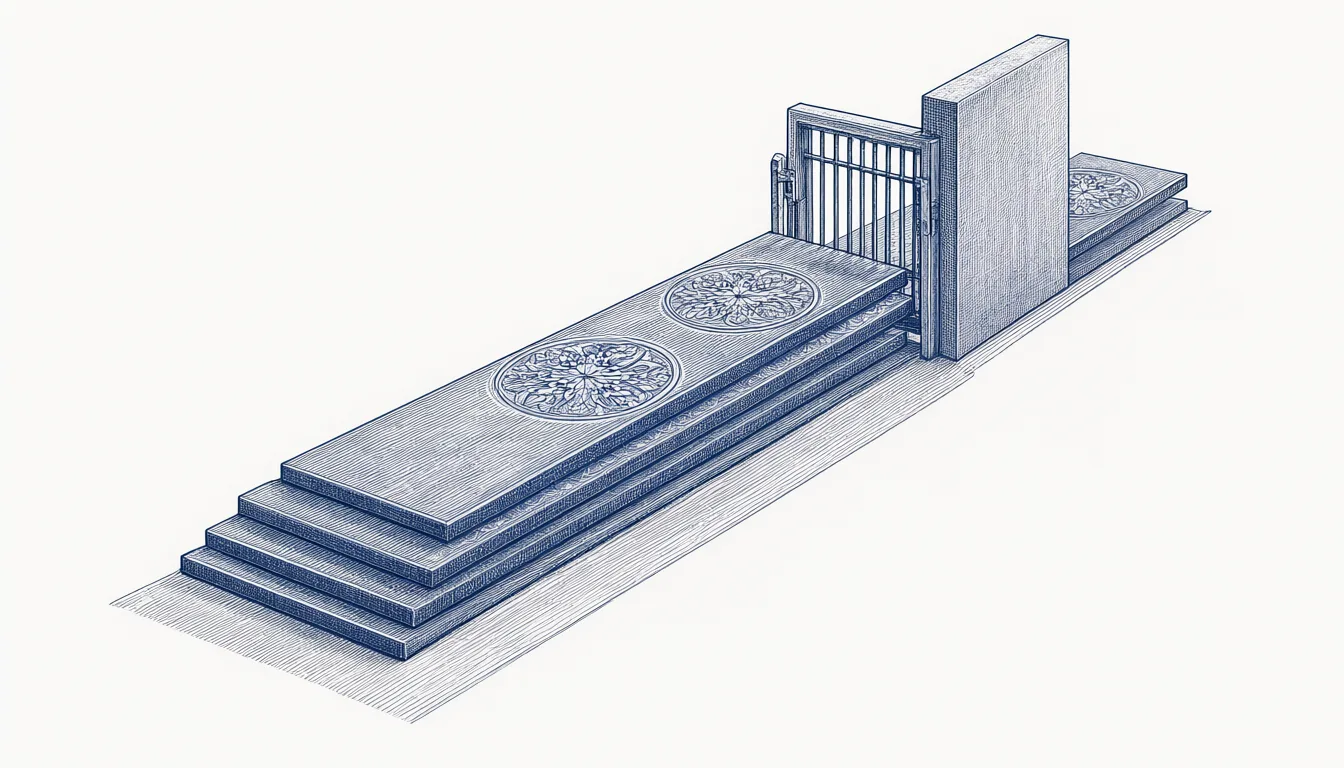
One date hides a staircase
You may mark the big lockup expiration and forget the smaller releases before it. The first release can be tied to an earnings date, while the next one is tied to a later date or a fixed day count. If you only watch the final expiration, you may sell into the same window as a much larger group.
Cerebras is a clear example. Its first major release is set for two trading days after its second-quarter earnings report. By the end of August 2026, as many as 84 million Class B shares could be available for conversion and sale, nearly three times its then-current public float. A second tranche of about 87 million shares becomes available in September and October. The main expiration frees about 171 million shares, roughly five times the original IPO size, on the sooner of the Q3 2026 earnings report or 180 days after the IPO prospectus, the document that contains the lockup terms.
A release day can be a liquidity test, not a price signal
Do not assume a release must push the price down. On August 6, 2026, the first major SpaceX lockup release more than doubled the tradable SPCX share count, yet the shares gained 6%. SPCX volume hit 252.4 million shares, roughly 109% higher than the 121.0 million-share three-month average. That is a day when your order can fill quickly, but the market is also testing how much new supply it can absorb.
If you need cash before the next tranche, start earlier. If you can wait, use the release-day liquidity to finish a planned sale, then decide what to do with the remainder after the market has digested the new shares.
Build the unlock calendar before you place an order
- Pull the lockup terms. Get the IPO prospectus, your broker summary, or the company's equity portal. Finish when you have the actual lockup terms, not a remembered date from a colleague.
- Find the trigger. Read the lockup terms for each release and note whether it fires on an earnings date, a fixed day count, or the earlier of the two. Finish when you can name the event and the date for every tranche without opening the agreement again.
- List each tranche size and date. Put the number of shares, the release date, and the group that can sell into one calendar. You are ready when the calendar shows date, shares, seller group, and trigger in one place.
- Compare each tranche to the public float. A small release may move quietly. A large release can create a lot of new supply at once. You have it right when you can say whether the next release is a blip, a bump, or a major supply event.
- Mark a sell window before each release. Decide when you want to be done, not just when shares become sellable. Write down why you are selling, because the reason changes the date. You are set when your target date ends before the next tranche, with enough time for broker processing and tax paperwork.
- Check who can sell on each date. Employee rules can differ from insider rules. At Cerebras, non-executive employees gained the right to sell 7.5% of eligible shares on the first trading day and a further 7.5% on the second day if the stock closed more than 33% above the IPO price. Directors, officers, and pre-IPO investors gain the right to sell 15% of their shares after the company's first-quarter 2026 earnings report. You are clear when you know which group can sell on each date.